

On this page
- Dr. Matthew Zawadzki
- Dr. Jennifer Howell
- Dr. Irene Yen
- Dr. Maryam Hussain
- Jacky Hua, M.A.
- Dr. Deborah Weibe
- Dr. Anna Song
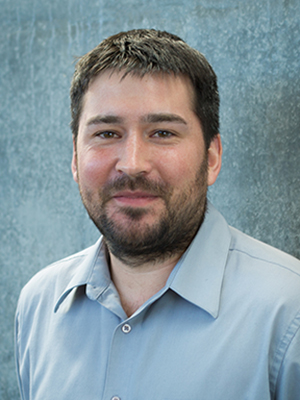
Professor Matthew J. Zawadzki joined UC Merced in July of 2014. He received his Ph.D. in Social Psychology and Women’s Studies from The Pennsylvania State University in 2012, and completed a two-year post-doctoral fellowship in the Department of Biobehavioral Health at The Pennsylvania State University. Broadly, his research applies social psychological theory to understand the relationships between stress and health. His work aims to understand how thoughts, such as rumination and worry, can create, worsen, and extend stress responses, and explain why stress is so deleterious to health.
Dr. Jennifer Howell
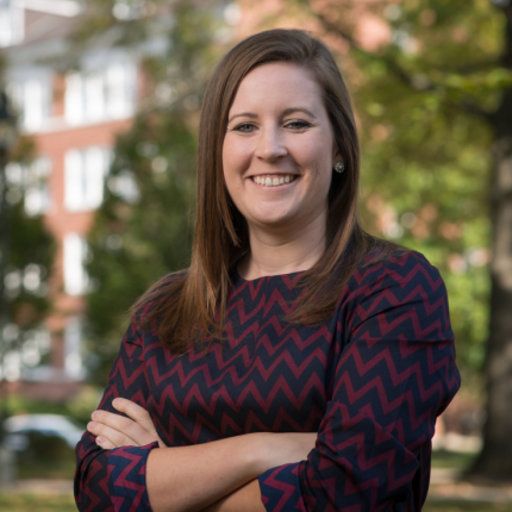
Dr. Jennifer Howell is an assistant professor of Health Psychology. She received her undergraduate degree in psychology from Southwestern University in Georgetown, TX, and her MS and PhD from the University of Florida in Gainesville, FL. Her research focuses on the intersection of social psychology and health. She is particularly interested in how processes surrounding the self (e.g., identity) and social world (e.g., social comparison) influence health decision-making and behavior.
Dr. Irene Yen
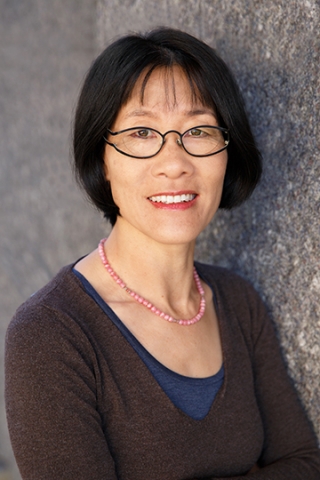
Professor Irene Yen joined the Public Health faculty in January 2018. She received her MPH and PhD at the University of California, Berkeley. She is a social epidemiologist and focuses her research on place, race, and social status. Dr. Yen’s current research projects focus on the health and social effects of public housing renovation and redevelopment, and the pathways from education to health outcomes.
Dr. Maryam Hussain

Dr Maryam Hussain is a post-doctoral scholar in the Merced Experimental Social & Health Psychology (MESH) Lab and Stress & Health Lab. She earned her PhD from the University of Houston with a focus on Developmental & Learning Psychology and Statistics & Measurement. Her research examines health disparities within the context of cultural adversity and resiliency. As part of her post-doctoral training with Dr Howell, she is examining the link between psychosocial environments and cardiometabolic risk in immigrant communities. With this training, Maryam hopes to go on the academic job market as a tenure-track health psychologist. One fun fact about Maryam is that she was born in a small village in India, immigrated to the US at age 5, and is now a co-founder and stakeholder at a library and tutoring center in her birth village.
Jacky Hua, MA
Jacky Hua started the PhD program in Health Psychology program at the University of California, Merced in 2017. She earned her B.A. in psychology at the University of California, Riverside. Her research interests focus on social, emotional, and cultural factors that influence health decision-making.
Dr. Deborah Wiebe

Dr. Deborah Wiebe received her PhD in Clinical Health Psychology, as well as a Master’s in Public Health from the University of Alabama at Birmingham in 1988. Dr. Wiebe joined the faculty in Psychological Sciences at UC Merced in Fall, 2013, and she serves as head of UC Merced’s Health Sciences Research Institute. Dr. Wiebe’s research focuses on the social and developmental context of self-regulation and coping with chronic illness. Most recently, her work has focused on understanding how children, families and physicians work together to manage type 1 diabetes across adolescence and into emerging adulthood.
Dr. Anna Song
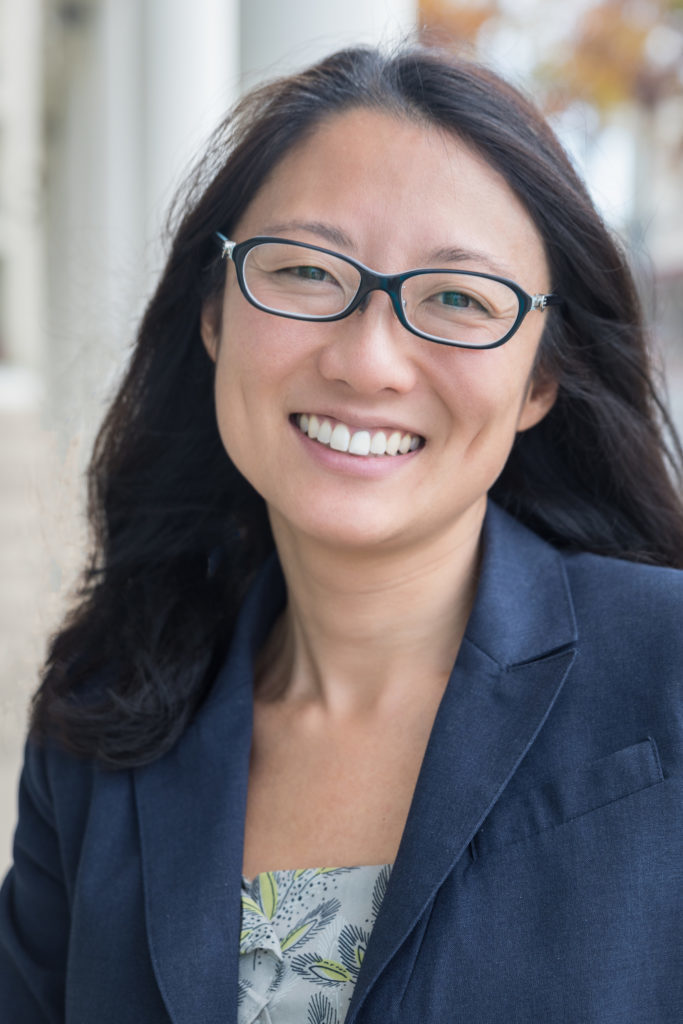
Dr. Anna Song is an Associate Professor of Health Psychology at UC Merced. She is also the Director of UC Merced’s Nicotine and Cannabis Policy Center, funded by a $3.8 million award from the Tobacco-Related Disease Research Program.
Dr. Song and her lab currently conducts research that helps to identify and address psycho-social factors that increase health risk behaviors that lead to heart and cardiovascular disease, cancer, and obesity. These behaviors include tobacco, marijuana, and e-cigarette use, sedentary lifestyles, and dietary choices. Factors of interest include perceptions of risks/benefits, social norms, implicit biases, policies, and media exposure. Community engagement serves as the foundation to her research. Her work ranges from development of qualitative methodologies to statistical modeling of large-scale, longitudinal data.